
OpenAI’s November 23 ChatGPT release notes announce a GPT-6.2 version for the Chat tab, rolling out to Plus, Pro, Business and Enterprise. Enterprise access depends on workplace administrator settings. The notes explicitly distinguish this update from the models powering Work and Codex, which are not changing as part of this release.
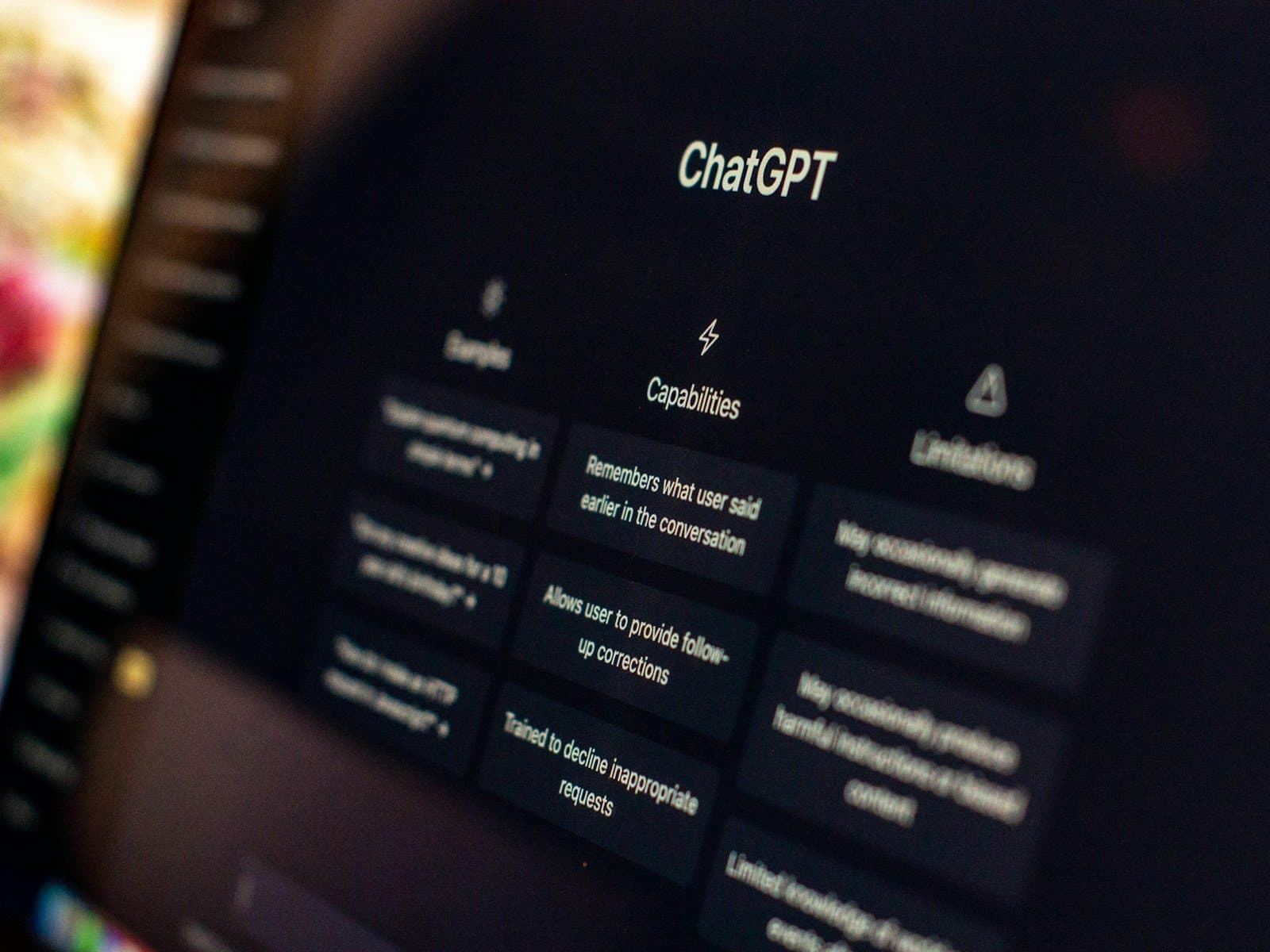
OpenAI describes improvements in instruction following, image understanding and finding information online. Its evaluation results are vendor-reported, not a test performed by Vendovo. The cover photograph is an archival 2023 interface and does not show the new release.
Our practical take: confirm the product surface first
“A new model is available” is not enough information for an operating decision. The interface, account and workflow matter. A feature visible to one employee may not be enabled in another workspace, and a chat product announcement does not establish access for an application integration.
Before updating a team guide, record which product is being discussed and verify what the intended account can actually use. Check administrator controls and the current provider documentation. Keep those observations separate from assumptions about an API, coding tool or third-party service.
This distinction also matters when comparing a conversational workspace with a custom business assistant. The latter needs its own approved information, authentication, integration permissions and escalation rules. A consumer-facing product update does not supply those operating decisions.
Test a workflow you already understand
Pick a small set of non-confidential examples with outcomes your team can judge. A useful example might require following a house style, finding a source or explaining a diagram. Write down what a satisfactory result includes before running the comparison.
Look beyond a response that sounds confident. Did it follow the full instruction? Are the sources relevant? Did it preserve important qualifications? Does a reviewer know which parts still need confirmation? Keep failures as well as successes so a later change can be compared fairly.
Do not put private customer records, passwords or unrestricted company documents into an experiment simply because the model is newer. Review the account’s applicable data settings and your organization’s policies before using business information.
Keep review and handoff explicit
A drafting task and an action task need different controls. Preparing an email for a person to review is different from sending it. Suggesting a meeting time is different from creating a confirmed booking. If an AI workflow is connected to business systems, define who authorizes each action and how a failure is reported.
For a custom project, AI automation planning should include those boundaries. For visitor questions on a website, business chatbot development starts with approved answers and a useful route to a person. Neither should be sold as a consequence of a model announcement alone.
Update the team’s instructions after the evidence
When a tested change is useful, update a short working guide: what the tool is for, the account or workspace it applies to, the input it needs and the review required. Keep the date and reasons for the change. Avoid promising identical behavior on every request or treating a benchmark as a forecast for your own workload.
The release is worth reviewing because it changes a widely used chat experience. It is not evidence that every business process should become autonomous, that another product has the same model, or that an integration is ready. Check access, test the task and keep the human responsibility clear.